Lighting is crucial in both interior and exterior spaces, enhancing mood, atmosphere, and functionality. But what happens when we blend the two? How do interior and exterior lighting affect each other, and how can we leverage this synergy to elevate a space?
In my recent interview with Mark Carlson, we explored this topic and discussed how lighting plays a vital role in creating a seamless connection between the inside and outside of a home. As a designer specializing in biophilic design, integrating natural elements into a home's interior and exterior is essential for creating a truly harmonious environment.
You can listen to the whole conversation in the video above, where we dive into the relationship between interior and exterior lighting, and how biophilic principles can guide us in designing transformative spaces that enhance both well-being and beauty.
Here are some highlights from the video:
The Importance of Interior and Exterior Lighting Synergy
Lighting is more than just a functional tool. It has the power to shape our experience of a space, guiding our emotions and reactions. In the Bay Area and throughout California, where views and outdoor living are so integral to daily life, it’s imperative to mitigate the distinction between indoors and outdoors.
Biophilic design is rooted in the idea that humans are happier and healthier when connected to nature. Our DNA yearns for the natural world, and we can tap into this need by designing interiors that bring nature in and extend those design principles to the exterior. For example, by blending colors, lines, and natural materials between the interior and exterior, we create more expansive spaces.
This connection can be achieved through lighting as well. Thoughtful use of interior and exterior lighting can blur the boundaries between the two, creating a seamless flow that enhances the overall feel of the space. It’s not just about brightening a room or illuminating the garden; it’s about crafting an experience that feels natural, connected, and intentional.
The Role of Biophilic Design in Lighting
Biophilic design integrates natural elements into the built environment, and lighting is no exception. Natural light, in particular, is a key component of biophilic design, offering not only beauty but also health benefits. When you allow natural light to filter into your home, it improves mood and increases productivity.
But biophilic lighting goes beyond just natural light—it involves using lighting to evoke the feeling of being in nature. Whether it’s a light fixture that mimics the shape of a tree or strategically placing lighting elements that create shadows reminiscent of forest canopies, these details elevate the design and connect us to nature in a meaningful way.
For example, when I work with clients, I often recommend lighting that mimics nature’s fractal geometries, such as those found in leaves or trees. By incorporating patterns of natural analogues—floral patterns on rugs or curtains, for example—we create spaces that feel grounded in nature. These details draw the eye outward to the natural world beyond and bring the beauty of the outdoors inside.
Enhancing the Mood with Lighting: Creating “Moments” in Your Space
Good lighting is not just about visibility—it’s about setting the tone and evoking emotions. In biophilic design, lighting helps create “moments” within the space. These moments could be a soft glow from a lamp that mimics the warmth of a sunset or the flickering light of candles that add a sense of calm and relaxation.
Similarly, outdoor lighting plays a significant role in enhancing the experience of exterior spaces. Whether it’s illuminating a pathway to guide you through the garden or highlighting a feature like a water element, lighting can help create a journey through your landscape. This mirrors how we experience interior spaces, where lighting guides us and sets the mood.
As a designer, I aim to create environments where lighting doesn’t just illuminate but adds depth, interest, and a sense of wonder. It’s about designing spaces that resonate with our natural instincts and elevate the interior and exterior experience.
Bringing the Outdoors In and the Indoors Out
Integrating interior and exterior lighting with biophilic design principles can transform a home into a sanctuary. When done thoughtfully, lighting can connect us to the natural world, enhance our well-being, and create spaces that inspire us daily. By aligning your lighting choices with nature, you can create environments that not only look beautiful but also nourish your mind, body, and soul.
If you're interested in exploring biophilic design in your own home, whether through lighting or other elements, I’d be happy to help. Let’s work together to bring the power of nature into your space. Contact us today.
Full Transcript: Mentor Decision - The Relationship with Interior & Exterior Lighting
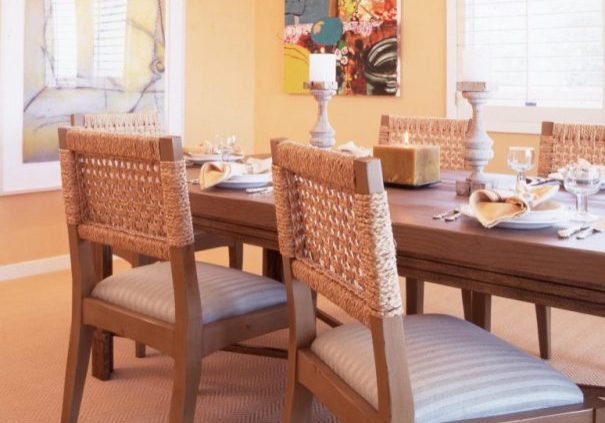
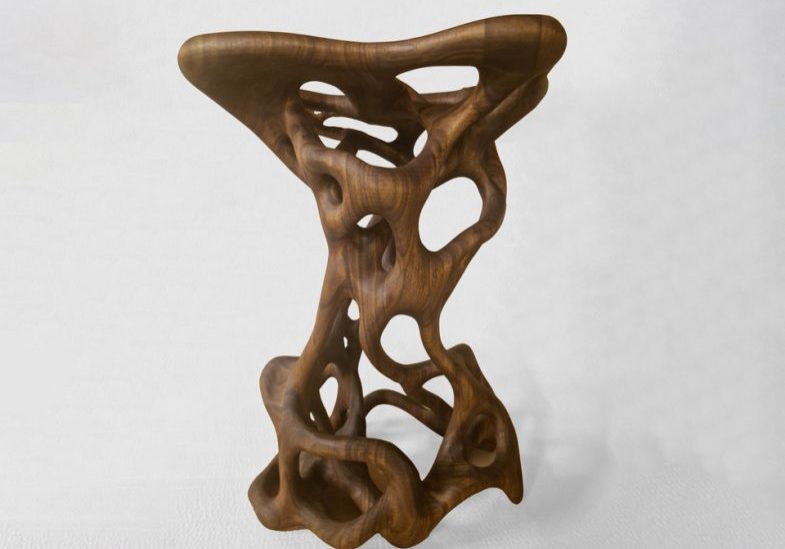
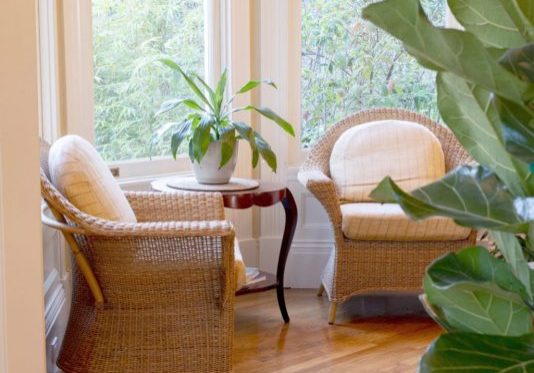
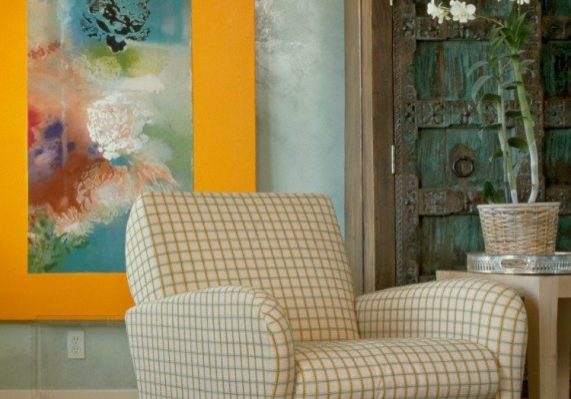
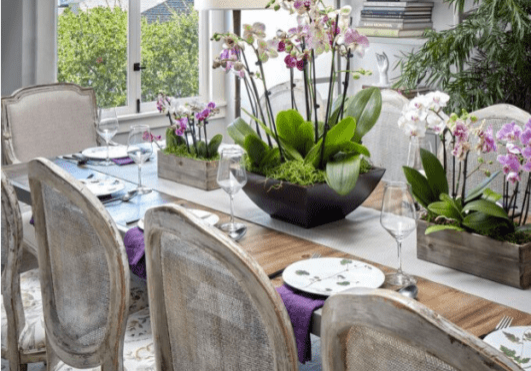
Hey, here we are today. We are going to be speaking with Stacey Lapuk. Is that how you pronounce it? Yep, Lapuk. Lapuk. And she's an interior designer from the Bay Area or out near San Francisco, Sonoma, Marin County. And she has some great insights that we're going to explore a little bit because we're going to talk a little bit about biophilic design principles, which is, I'll let her explain that a little bit more, but this is going to be a great opportunity for landscape lighting people to learn a little bit more about interior design and about what we can do from that perspective. So let me go ahead and we'll first talk, let's hear a little bit about some of your background, Stacey, and how you got started in interior design. Sure. Well, long story short, meet Luna, by the way, my cat. Long story short, I went to school in fine arts. And that was cool because I was one of just a few that got into this program at University of Connecticut where I grew up. And I thought, okay, I'll go into art because I always was interested in art and making things. As long as I got good grades, and found a husband, all was well. My brother, mind you, is now a pediatric cardiologist and I went to art school, but that's the way I was raised. So got out of college in fine arts, no idea what to do or how to make a living, no husband at that time. And I ended up coming out here to visit California. And long story short, I went back to school in interior design, interior architecture at Berkeley. and started getting design clients and just no business background, no experience really. I was very naive and just started and it worked out well. was this way I thought I could, you know, access all kinds of makers and craftsmen and artists and combine it all. So I think of environments as living in three-dimensional paintings, right? Oh, that's great. yeah, so that's what I do. Very cool. So how long have you been doing this now? 38 years. Wow. That's impressive. Very good. Yeah. Very fun. Now, I had asked earlier when we were offline, but talking about the importance of the interior and then transitioning to the exterior, how Could we, I guess, benefit from that understanding? Or how do you typically go about trying to push that whole agenda to expand the space? Yeah, especially in the Bay Area or in California as a whole, imagine, views and outdoor living is huge, right? It's how we like to be. Basically, we've been in this body, right, as human beings for about 200,000 years. And we've been in the built environment for about 20,000 of those years. So our environment, our DNA wants us to be here, right? That's where we're happiest. So the landscaping around a home is critical. Many times people might have smaller homes, but they wanna feel like it's larger. And the more we can connect the interiors with what's going on outside, the bigger it's gonna feel if we can mitigate the distinction between indoors and outdoors, right? So we can do that by carrying colors or carrying shapes and the lines we use creating our interiors can draw the eye out and then back into the space. So it's very important and it's part of what I do as a designer. Right. Now, you work much with, I mean, I don't know how often you get to a chance to work with specifically landscape lighting designers or installers, or if it's part of a landscape company or landscape architects team or whatever, but how do you typically work that situation when you're working with them to get them to understand your process and what your needs are? Yeah, well, it all depends on the client and the size of the project. So if I'm going in to a new build, let's say, or a major renovation, and I've got a landscape architect on the project, typically he might have a lighting designer, or I might have a lighting designer for the interior lighting. I know just enough to be dangerous, right? But I don't keep up on all the latest technology. It's like shooting like this. You can't keep up. because that's not what I do all the time. So I like to work with people who really know what they're doing. So the lighting designer typically may work on the interior as well as the exterior, or again, the landscape architect might have somebody on their team. And the whole idea is just like when you're walking through a space in your home, know, sometimes you want brighter light and then you want to come down so it's calmer. And then you want a light over there to draw your attention. to a really nice spot or like a moment that you could have. And that's the same with exterior lighting. If I'm creating, you know, like rooms outdoors, you know, areas where we could place, you know, seating for somebody to sit or a hammock or a place, you know, to have a party or, know, whatever, a fire pit or a fireplace or a water element, you know, all these things that go into landscape design. I want somebody to have a journey through the space and using lighting can really draw someone to a space and then change their mood, change their energy, right? To match what's going on with the resonances of that particular area in the landscape. Does that make sense? Oh, totally. A lot of what I teach or we teach here at LA is we have a whole course or program that's developed towards composition, lighting composition. So there are six different principles of the composition and you balance, emphasis, know pattern and rhythm, contrast. So there we take that and it's like you just mentioned you want to draw the attention and lead them to the emphasis, the focal point of the space. And lighting is perfect for all of that. It helps to enhance that experience. I can see that. I want to learn those principles. All right. I'll get you in the next class. Yeah. So, well, you know, going down this path, because you talked about emotion and mood in the space, you know, can you talk a little bit about biophilic design and the principles that you use? What is, I guess, let's first start with, what is biophilic design in your opinion or how you interpret it? Okay, well, there's a science called neuroesthetics, which is now that they could read your brain, when you experience different things, they could read what happens physiologically by looking at your brain when you have a certain experience or when you see something, right? Biophilic design is an arm of that. Neuroesthetics is a basis for biophilic interior design. And it's basically the study of how the brain responds to beauty. So it's been found that our concepts of beauty, they're universal. They're baked into our DNA. Just how I mentioned before that, know, we're evolutionary, evolutionarily, sorry. We are in the natural environment, right? So being in buildings and going from work to our car, to the store and to our homes, it doesn't... allow us to easily access nature and that hurts us. And that's what biophilic interior design addresses. It brings nature to you in your home. And when we're in beautiful environments that are intrinsically connected to nature, it's been measurably shown and proven that we're happier and healthier and we can even live longer. Absolutely. Yeah, it's really quite a... Quite a science. There are 15 specific patterns that are found in nature and those patterns have been studied and each relates to a different aspect of our physiology and what it affects, whether it affects our heart rate or our creativity or the flow of serotonin. And these patterns, if you can integrate those patterns into good design, you need to have great interior design to begin with. And then if you infuse that with these principles, it's all the better, right? You're healthier and happier and yeah, it's just more joyful. Absolutely. It's kind of tied in. I noticed, I saw that on your website too. It's kind of mimics like feng shui, right? Or a little bit. Yeah. Well, Feng Shui is more based on intention. And it's been around for thousands of years. So there is validity to a lot of the aspects of Feng Shui. The other side of the coin is biophilic design, which rather than relying on intention, it relies on scientifically proven principles. which is great because as I mentioned before, my family are physicians and engineers and lawyers and I'm in art. So it's nice that I could say, look, it's proven, which is really great. Yeah. Very good. Well, let's do this. Let's look at some pictures that you gave me, some interior spaces that you've done. And maybe you can talk a little bit about this concept through the photos. I'd love to. All right. Let's see if I can get this to. Why is it not clicking now? Oh, there we go. OK. You see that first one? Yeah, I can see that. OK, very good. This was a designer showhouse showcase room. And this actually won a national design award. What happened in this room is, again, we want to think about ways to bring nature into what we're looking at. And one of the categories. of biophilic design is called natural analogs, which basically is what can you do that will mimic nature? So having a rug that has a floral pattern in it, that's mimicking nature, right? Adding the detail to the sheer draperies on the windows that look like little floral pieces and pieces of leaves, that makes you think of nature and then looking out through those shears, which you can't see in this photograph, there's an incredible garden out there. So that sort of drives you to see the garden out there. Mirror emulates a sun, right? Having actual orchids, that's nature in the space. We're bringing in actual materials such as wood and organic cottons and linens. And I think this room had some raffia in it. Those are all natural elements along with the flowers and the orchids that help us feel connected to our environment. Sure, sure. And I like how, again, the color selection too, being some of the greens that are in there more nature. And then the light from the window, natural light, sunlight. Yeah, natural light is really important. As well, the alabaster in that lamp. There's an uplamp sort of by the sun. That's stone. So that's another natural material. Oh, great. Yeah. And then slate top in the table. it's not difficult to do, but you just want to be mindful of it. And of course, it all has to be balanced. OK. Well, that's great. Wonderful. Here's another one. So this was another showcase house. I love doing showcase houses because you could really go to town, right? Sure. This also won a national design award. And here there's so much. there's, is it possible to see the entire slider? this just where? That was as much as I, that came to me. That's okay. So repetitive patterns, fractal geometries are very important in biophilia. There's no such thing as a straight line in nature, right? So Euclidean geometry is not gonna help you. Fractal geometry is like if you take a mirror and you see an image in the mirror and then you break the mirror, not gonna work, it's not bad luck. Each little piece is still gonna be the whole, it's still gonna show you the whole. And in nature you could see that in leaves on a plant, right? They're all different, but they're all the same at the same time, right? So having repetitive patterns in a space makes you feel good. In this case, one of the repetitive patterns is ridges. So we've got ridges in the light fixture, the design of the light fixture. There are ridges in the lamp on the side table. The side table itself, you can't really see, but that has ridges. The way the bolsters are positioned, those create ridges. The bed, you can't see the bottom of the bed, but the bed legs. have ridges, the way that they're carved. And even the Buddha, the half Buddha stone piece, that's a fountain in back, there's another one that's the other side of the face on the other side of that window sill, window seat. That has ridges behind the Buddha. So you've got this repetitive pattern. You don't walk in and say, oh, look at all the ridges, right? You just feel good. It's pretty interesting. And then even the way that the artwork behind the sculpture behind the bed, those are purple plum branches that are made into this relief. That's really cool. It plays with light and shadow. So light and shadow is another pattern in biophilia. Using shears on your drapery so that you get the movement of the light and shadow is a pattern. and water, hearing something natural and then wondering where is it coming from, that wonder is a pattern. And the Buddha sculptures actually are water fountains that has water coming down the face of the bronze bases. Wow. Yeah. it's playing on the senses quite a bit. It's all. Yep. It's all about the senses. The three categories of biophilia. is our natural analogs. So things that look like nature, nature in the space. So that's bringing in life plants, using woods and natural fabrics, know, organic elements. Those are all nature in the space and nature of the space. That's your experience of the space. Ah, is a recent addition to the principles. It used to be 14. Now there are 15. So Having a moment that is like, oh, you know, like a gorgeous painting or you turn around a corner and you see a beautiful vignette of something or view. Those are all elements of biophilic design. Nice. Yeah, that's kind of a, it's part of like surprise and emotion, know, ah, and surprise, you know, when you capture these things. Yeah, that's awesome. Yeah, very much so. Another repetitive pattern that's in here is You can barely see it, but the bedspread is made from, and that back bolster is made from a company called Fortuny. They use hand blocked prints that they've been using for over 200 years with this amazing ink that has a little bit of a metallic to it. But by taking that pattern, and then I repeated the pattern of the design on that panel, there are two of them, the green panels in the back. So that connects you back to the window sill and that green draws you to it. And then that pattern is also repeated in the design around the, in the ceiling above the light fixture. Wow. So, you know, again, you don't walk in and say, you know, oh, look at, you know, all the, you know, the things. Yeah. It just feels right. Yeah. Well, that's one of the principles I was telling you about with composition and under Unity. And it talks about simplicity, not having too much diversity where it all makes sense and it feels good. So it's all tied into that same concept. I love it. Yeah, there's a reason for everything. Yeah. Very good. All right. Right. Here's another one. Oh, this was just recently shot. That chandelier is... This photo really doesn't show it. It's gold. The next photo has the clothes above it, which is cool. It's just gorgeous. And then the play of light and shadow on the ceiling and on the walls is just spectacular. Those draperies are the fabric there is the same from the same company, Fortuny. I just love love them. And it's just a gorgeous, gorgeous fabric. So that has that little metallic kind of sheen, which speaks to the chandelier. the twist of the legs of the chairs, that draws your eye up to the fabric. The leather on the chairs is actually a stamped snake skin pattern in the leather, which just, you know, it just pops. you know, again, moving your eye around using light, right? You see the chandelier and then you see the sconces. And then the round table draws you around and back to the shape that's happening in the chair legs. Sure. Wow. Very nice. Let me show you the close up. Yeah, that's spectacular. Yeah, right? That's just spectacular. The client wanted a wow moment. That's the wow moment. And the Renoir in the background, by the way. But yeah. So you say Fortuny. Is that the company they did? It's out of Venice, Italy. Oh, wow. And their fabrics are just spectacular. The company themselves are just the nicest, greatest people and work ethics and integrity and all of that. So that's Yeah. Very cool. Okay, here's another one. Yep, well that just sort of shows a larger view of this room. Those draperies as well are Fortuny. Love Fortuny. But here the artwork is what draws your attention, right? And the one over the fireplace has the impression of trees, right? So it's bringing nature in, using natural woods, bringing in plants and flowers, the organic tusks in the back, sculptures in the back flanking the fireplace. Sure. That's a natural element. of course, leather, wood, silk, that all just makes it it feel good. Wow. Yeah. That's great. And then even the chandelier is sort of like a flower. Right. What is this called? Trumpet. Yeah, like a trumpet vine or whatever, like. Exactly. Right. Yeah. That's awesome. Yeah. This is interesting. So this was a flat in Coal Valley in the city and it was a fairly small space and the client loves dinner parties. So her primary room we made into a great dining room. But when you first walk in, because it was a small space, we wanted to give the illusion that it went on further and using art to, especially of landscapes that have like a meandering path. So you get mystery, which is another pattern, know, what's down the path and it helps push back that wall so it feels the space feels feels larger. The the round chandelier that pendant mimics the round shape of the table below. So you're connecting that and that's, you know, feels like you're you're outside. You're everything is connected to one another. And we have a live plant, of course. And then in the in the right above the chair rail, the very top of the walls, I felt a wall covering that has very organic motif. So it kind of looks like trees. And when you're in the room, it gives the illusion that you're sort of surrounded by trees and you're in a forest, right? You don't, know, consciously saying, oh, look at that. I feel like I'm in a forest, but it just feels right. Right. Right. I love how you keep saying feels because we talk about that. as well. I call it a factor effect experience of feeling, which it's all tied into emotion. And like within the space, it's the same same concept. So that's that's awesome, because I try to get guys, well, people in our industry to focus on the lighting design and to create these experiences. And I'll tie it all back to emotion. Is it a Is it a happy, joyful experience? Is it something of interest where you're pause and you're gonna try to, it's provoking, intriguing, shadow play, all the different, there's different categories that you can look at here. Fair even is an interesting one. So. Yeah, yeah. Another thing before you move from this slide, I don't know if you have another of this space, but that painting in the back to the left, that those little dots that you see, that's actually gold foil. Oh, wow. It's gold. So and there's a skylight there. So when the sun comes through the skylight, it reflects off the little gold leaf in the in the painting. And again, there's a path that takes you down. So you get that sense of mystery and and, you know, elongating the space. And then you've got the trees in the painting. So you've got the trees starting and then your eye goes up the trees and then you see that, you you catch the tree motif in the wall covering and yeah, it all comes back around. Yeah, that's really cool. Does it do the same type of thing with the light? Let's say at nighttime you have those lights that are above the paintings. Does that pick up some of that reflectivity? yeah. It's gold leaf. Oh yeah. So yeah, so it'll do That's very nice. The thing is, one thing that I discovered and I really try to emphasize is that our concept of beauty, whether it's working outside or nature is like the greatest example of what beauty is, that's a need for us, right? It's not sort of, it's nice, it's beautiful. We need things to be beautiful. And all these things that we play with you with your lighting design outside, we're creating moments of beauty, right? And, and immersions in beauty. And that's what feeds us. That's what makes us feel alive. I agree. No, because if you think about it, you know, I, I, I've been talking about this quite a bit as well as that. If you most landscapes, you know, when people are using or building their landscapes out, you know, there's two reasons usually, or needs, as you said. One's for like activities, socializing, gatherings, things like that. And then the other one is rejuvenation, relaxation, peace, quiet. Because after a full day, you're working all day, you're stressed, maybe it's the kids, maybe it's bills, whatever it is, you you need that rejuvenated space to go to, to unwind and get ready for the next day, you know? So it's a good example. Yeah. And they act as an anchor for you, right? This is where you could stop and like you said, rejuvenate. And then from that space, you can go out and be your best selves, right? As you're living. Absolutely. Yeah. Yeah. That's awesome. All right, let's go. Here's another one. That's another view of this, of this same project. So you can see how the, the greenery and the wall covering around the top. And then you can also see how we're connecting with the exterior, right? It's in the city. But even the lineup of the way the orchids are on the table, that draws you right out into the garden. The plates have their hand-painted drawings of leaves and trees. The fabric on the chairs is a floral. The cane on the back of the chairs gives you that sense of translucency. Like the light and shadow and what's happening back there. So a little bit of mystery, which is a pattern. Yeah, it's all, you know, ties together that the chairs are a wood, you know, the table is a wood top with a metal banding around it, which are all natural materials. Wow. Yeah. No, I love it. It's amazing how much all this is tied together. We're in different realms, different professions, but we're still coming to these conclusions. We're seeing these benefits through nature, like you said, and how this can impact our lives on a human-centric level, where we're helping people now with purpose. One other thing I wanted to bring up is that if anybody is thinking about, well, I don't know what colors go together. I don't know what I should do for color. Look to nature. So in this case, it's green and purple. If those purple napkins weren't there, and let's say they were green or tan or whatever, it would just flatten, right? The whole space would just kind of flatten. But the purple draws your attention because of the type of color it is. And then it also connects you to the orchids, you the purple and the orchids, which draws you down, you know, down the table to the view to, right? So it's all intertwined. It's all little things to pay attention to. Yeah. Yeah. Awesome. I love it. And I think this is the last one that you had said. So this was spectacular. So I think I told you the name of the artist. I forgot his name, but I went to the design and art show at Fort Mason a few weeks ago. And this, this was out of a gallery in London and what he does. So it's all hand carved, but what he does is he uses a computer to mimic the growth. of from a seedling into an organic structure. So he starts with a design that he considers his seedling and he feeds that into the computer and the computer based on how nature grows things creates the design and then he cars it. So it's all, you know, and that's actually a stool you could sit on it. Right. I was going to say, it looks like a little chair, like a stool. Yep, it's a little stool. He can make table bases. He can make, you know, consoles, you know, all these just spectacular things. And it is done in a few pieces. And then he, he connects them together, right? So, so it's all one as he's carving it, but yeah, that's all a replication of how a seedling evolves. Wow. Right? Yeah, that's very walnut. Walnut wood. Yeah. So you're not gonna find something like that at HomeGoods. No. That's why you, you know, if you want things that, you know, it's kind of a sad fact, but the more of an investment you can make, the more of the maker's hand you're gonna see. And the of the maker's hand you see, the more connected you are to yourself and to the environment and to nature. So handmade things take time and then that turns into, you know, money. But if you have a certain budget and you want to create something, we can work around whatever that budget is, right? It may not be as, you know, like this, this still is about $22,000. You know, let's say you have, you 5,000 and you want something really cool. Well, maybe we could create a bowl or we could create You know, there's always something that you could do. And that's where somebody like you or I, we have the resources and then we know the people and we know where to go to get things done or things that exist, but maybe we can customize them. You know, to make it really special and unique to you. Yeah, it's your story, right? It's your home. It's not gonna look like, you know, oh, that's something Stacy Lapuk did, you know, or that's Carlson did, it's just his design. Yeah. Sure, sure. Yeah. How much do you tie in? Well, I mean, I'm sure you do, but like when you first initially meet with a client and you spend time with them and you learn about them, their personality, their characteristics, you know, what's important and meaningful to them? How much do you tie in like artwork or pieces of them? into your designs? 100%. Okay. Yeah, it's their home. Yes. Right. So one of the things that we do review is what do you have that you want to keep? What's important to you? Why is it important? Right. And it's particularly if they have artwork or an area rug or something, that's a great, those are great elements from which to pull a design. And then there's, there's a lot of input. I've got a pretty comprehensive questionnaire. We look at images. There's a lot of input, just like I'm sure you go through to really understand what their functional requirements are, how they're going to use this space, what their style is, how they want to feel, what they need to feel, and what the architecture tells us, both interior and exterior. Yeah. I really enjoy it when when customers have different pieces of garden art out in the landscapes. then, like you say, you create these little pockets, niches where maybe they don't, you don't see it until you're wandering through the garden and that pops up, that surprise element, which is fun. Yeah. That's great. Let me go ahead and stop sharing this and then I'll just, there we go. Now we're both back. So I know one of the things I wanted to ask you towards maybe your opinions toward how guys or people like us in landscape lighting can enhance these experiences or create better create atmosphere. How about that in exterior spaces? What should we try to do or consider doing? You know, if we don't have somebody like you that's involved on the team. and to make spaces that are gonna fit in better with the interior. Yeah, think ask the client lots of questions. How do you wanna feel? They're not gonna know. So then you have to ask more questions, right? Right. What do you do outside? I don't know, I hang out. Do you barbecue? Do you cook? Do you like to entertain? What kinds of kids and pets do you have? Do we need to make sure that... When do you use the space? is lighting and just, you know, basic lighting design, right? Is it functional? Do you want to make sure you don't trip over something? Want to create a moment, you know, like really cool reflections or shadows from a tree. Do you want to create, you know, exterior rooms and then those rooms have different levels of lighting, just like on an interior, you have different levels of lighting. So I, I think it's just asking a lot of questions and showing them. Because a lot of people don't know the language and they don't know, a of times they don't know what's possible, right? Showing them possibilities, showing them images. Do you like this and why? know, no, I hate that. That's too much. Well, what's too much? You know, what do you like about it? You know, and it's up to you. Just tell them, what do you like? What do you don't like? And then it's up to you and I to find the common thread through all these images that they say they like. and create an environment then that reflects all of that. And sometimes it's taking them a little bit out of their comfort zone because they didn't know. I don't know, like in an exterior space, maybe, oh, we don't have kids. We don't need any, you know, like hanging chairs or anything, but man, you put in something really cool, you know? they're gonna sit there with a glass of wine and just have a ball. So, yeah, they don't know. And if they entertain or they think, this happens on the interiors a lot as well. I don't know if it happens so much outside. I guess it does. But people put together playgrounds. The kids are gonna be over there playing in the playground. And this is the adult space. You're gonna be here. Kids are gonna be where you are, depending on their age, right? So you always have to make sure, even if this is the adult space, that it has something there for the kids because otherwise they're just gonna get in your face while you're having to try to have a conversation or something. That's a good point. I didn't think of it like that. That is, I like that. Yeah, it's like homes people have, they want play, oh, we're gonna have a great play room and we're gonna have everything there. We're gonna put in climbing wall and this and that. And I'm looking at them, the playroom they want is like down the hall to the left. You're in the kitchen, right? The kids are gonna be in the kitchen or in the great room, wherever it's connected. So yeah, it's sort of being realistic about how a space is being used. If you have an animal, if you have a dog, you need a place for them to relieve themselves or to be aware that this is gonna be happening. whatever, you know, your husband likes to play golf, you know, so he needs a putting green. Otherwise your grass is going to get torn up. Yeah. Right. Yeah. You know, I want to go back to when we, you talked about color. I mean, this is kind of a big topic right now in my industry. You know, there's all this new, you know, the holiday lighting's really blown up. And then now that it's permanent holiday lighting, you know, people are putting all this stuff on their house and And so you're getting these glows of color. Do you have any, well, what's your take on all that? Because color is very impactful. So I'm just kind of curious to see what your thoughts are. Yeah, color is the first thing that you notice. It depends on the client. If they're extroverts and they want to, hey, this is us. kind of thing and they want to play it up. As long as the color like anything else is balanced, know, maybe you have a dominant color and then you have accents around it. You know, it could be really nice or the color could lead you to the front door. You know, maybe I have some clients who have these globes that hang from trees, you know, and they're different colors, but we have them so that you will It'll help you down the path to the front door, right? Where do you want your attention to go? Yeah. So that's one. Yeah. That's interesting. Good. Yeah. I was just curious because I know, you know, there's a lot of some either love it, some hate it, you know, or you just, yeah, it's a personal taste thing, but I'm just wondering the impact that it's going to cause on, I guess, the whole. You've got surrounding neighbors, you've got ordinances, you've got all these issues that are, I think, are gonna come into play down the road that maybe people haven't thought about, Yeah, you have to think about that. And if it's lit at night, inside you're gonna get a reflection of, let's say you have a big red globe out the window, that's gonna change the color of your green carpet. Oh, yeah. So you definitely want to pay attention to how it's going to affect the lighting inside as well and how the lighting inside is going to affect the exterior. Right. Right. That's a great point. Good. How about, you see, what problems do you see, I guess, with people in our trade, in outdoor landscape lighting? landscape environments in general, anything associated, something that maybe we can learn from that we can maybe try to do better. What do you think, if there's anything that's lacking, what would you think? I think paying attention to, which I'm sure you do, to the temperature of the light. Yeah. Right? If it's cold and it's just not comfortable. Yeah. And talk to the, just, I think communication with the homeowner or if there's a designer on the project is really important so that you can create a synergistic whole, right? You're not indoors and then you're outdoors, right? It's one. Transitions. Yeah. And they have a conversation with each other. I think, you know, somebody likes a lot of color. Maybe you have a spot in the in the landscape, that's the playroom, you know, and it has a lot of color or something. Yeah, so I don't know what's lacking really. It's just... How about maybe I should, how do you feel education is in general towards our trade or our trades? I think because technology is moving so fast, trying to keep up or being associated with people who do keep up, right, is important. There's, as an example, I'm not sure how it would relate to you. Well, it might because it reflects light. There's a new paint that's on the market that doesn't use latex So rather than enveloping your home in plastic basically, right? It doesn't breathe it, you know Greats mold and all these things this new paint is made from a clear crystal quartz. Oh Wow binder and it natural minerals and pigments Yeah, and it just is and it breathes Right? So it's, you know, anti-fungal and anti-microbial and, know, like all these great it's, and the pH is, is, is balanced such that a gallon of the paint, just learned this, which is why I'm kind of great about it, but a gallon of the paint absorbs the amount of carbon dioxide that nine trees do. Wow. And then one other fun fact, 9 % of the microplastics in the ocean, come from architectural paint. Wow. 90 %? 90%. Wow. So this company, it's called Alchemist, A-L-K-E-M-I-S, has this paint. I'm just blown away by it. But it's a technology, Lighting there, getting getting the light off. how reflects or absorbs off of that material. mean, that would be interesting. I wonder how light absorbs or reflects off of that type of material. Yeah. Yeah. Especially if it's on a flat surface. Sure. Smooth. Yeah. just, because it's stone. Yeah. Right? Would you rather surround yourself with stone or with plastic? Right. Right? I'm just writing an article about it right now too. Oh, good. Okay. Nice. And then, yeah, having, learning about how we can warm up light, know, warm up artificial light, I think is super important now that we can't use incandescent. Right. Yeah. Lamping any. A lot of people keep shifting to cooler and cooler temperatures, it seems. That seems to be a big push. But I think there'll be some pushback. on that because a lot of the dark sky people and others are talking about using warmer colored light, especially at night with the eyes and serotonin production, melatonin, that whole deal. So I think there's gonna probably be more of a push towards that warmer. I wonder if the cooler lights is a reflection of sort of the idea of modern design and very contemporary and clean and Right. No, it's a colder type of design. Sure. If you push it out that way, I like to mitigate it with using warmer lights and textures and things like that. Still get something contemporary. things are moving a lot softer. Gray is losing its appeal. People are being more aware of their environment and of more natural colors. and warmer tones and browns and those types of colors that work. much more happily with warm light, right? Sure. Yeah. Wow. Well, I know it's interesting like in private spaces and calm gardens, serenity gardens, things like that, you know, the warmer the light, so like flame, you know, using a lot of candles, things like that, that produces that more calming, pleasing environment, which is good. It definitely think about the energy that goes into, into things. a cooler light is like, it's like this. And then reds are like this. Right. And it's just, you know, it's all electricity. It's all the resonance and vibrations is it's a So yeah, you need to balance it. You don't want it too soft with it. And if everything is too soft, it's just going to feel. Right. Like that room if I didn't have the purple napkins. Having the purple napkins, just popped the resonance. Resonance? Yeah. Yeah. Yeah. So that it felt good. Yeah. Well, very interesting. I love this. I mean, when I start digging deeper and design concepts and emotion, I mean, that's where I, that's what inspired me to get involved with this whole LA project. because I do think that this is the future where everybody's going in architecture and design is, you know, circling back to the whole, you know, human centric and everything's, you know, focused on how well being and, and health. So why not take advantage of that? Exactly. We all want to feel good. You know, we want it look nice, but by looking nice, it affects how we feel. yeah. Sure. Well, one last question for you. I'd like your take, what would you suggest for working with other professionals on a team, design team, if you will, architects and general contractors, lighting guy, know, whatever it is, how would you like to see something like that? Or what's the best way to work together? I guess that's what I'm trying to say. Early. Early on. Okay. Yeah, the sooner you can... get in a project, particularly if it's a new build or a major renovation with the whole team, the better, the more choice the client is gonna have, the more cost effective in the long run it's gonna be for the client. And the more fun it'll be because you get to bounce ideas off of people who are specialists in things that you don't know about. I'm very good. My dad was structural engineer. I'm really good at knowing what I don't know, right? Don't take the wall down the whole thing is, know. Whatever. So yeah, the sooner we can pull a team together and determine who's responsible for what, so the client isn't paying double for the same thing, right? Sure. But playing off of one another. And then by working together, we know logistically what's going to be where, when. so that you have all the materials you need, right? When you're ready to install them. And if we're doing, you're working with a landscape architect and he's gonna have a lot of construction going on or whatever, right? You need to know, we need to know the lighting design, right? Just like on the interior. So we know where to put what, so we can accommodate all of that. You need the AV person upfront so that you know where the sound is gonna be coming out of because that's closely connected to the lighting design, which is going to be connected to the timers and the controls and the whole nine yards. all connected. system. Yeah. Yeah, it's a system. And when I'm looking at fabrics, for example, I want to know what plants you're going to have, right? How we can create something so that the colors are going to work together and the shapes and the proportions and the scale is all going to work. So yeah, the sooner a client puts a team together the better and whether or not it doesn't mean that we're gonna be working, you know, right away all the time. But when those, when those questions come up or those ideas come up, we can, we have a reality check, right? So we don't go down a rabbit hole that's not gonna work when we finally get around to talking to the other people on the team. No, that's great. Well, I appreciate it. And I think, you know, how can people get in touch with you if they would like to either hire you or to find out more about what you're doing and this this whole concept, you know, how it's best to reach you. OK, the best thing is to call or email me. OK, and. I have complimentary initial design discovery calls. So there's no charge. We can get on a Zoom call and just hear what it is that you're trying to accomplish. And I can help you sort of get your ducks in a row to know what to address when. I can work on an hourly basis, on a group of hours to consult, or we can work on a design process. And I have a seven step design process that I take my clients through from beginning concept design and initial intake all the way through installation and punch lists. So it's very clear. I have a newsletter, it goes out once a month and I'm gonna have an article, for example, now I'm gonna have an article on this, you want stone or plastic to live in about paint? But all things, biophilic and design oriented. On my website, you can sign up for the newsletter. And I was gonna say one more thing. What was I gonna say? I don't remember. Just call. I love design. I love people and making people happy. And they say we're pretty good at what we do. So. That's good. There you go. Well, it's been a pleasure and I'm really glad we had this opportunity. I followed you. for a while now on LinkedIn. And that's where I first found you. And I thought, man, I've got to reach out. I've got to talk to you and try to see where this may end up going. And so I this is a great first step for us, at least in what we're doing so that maybe we can get more exposure into your area. So it'll be great. is wonderful. I do want to mention one other thing I thought of what it was. On my website, there's a whole section on biophilic design. Okay. There are articles, there are a couple of very short videos that are introductions. They're like five minutes each. And there's just a lot of information about why you might want to pay attention to this. It doesn't mean things are going to cost more, right? It's just how you're going to create. Very good. Well, what I'll do at the end of this video here, because I'm going to have it now edited, I'll have your website information, your email address, your phone number. That's So then that way people can easily reach out to you. Great. Thanks so much, Stacey. I appreciate your time. Thank you, Mark. It's been a pleasure. Yes. Thank you. All right. We'll talk to you soon. OK.